.png)

I’ve spent plenty of time on the loud, dizzying floors of automation tradeshows, surrounded by 50,000 people and the hum of a thousand robots. And you’ve seen my personal reflections from those conversations. But this past week in Orlando was different, and so is this blog: it’s rooted in real, hard, proven data.
I want to start by extending a sincere thank you to Jeff Burnstein (President of A3), Alex Shikany Alex Shikany (EVP of A3), and the entire A3 team for curating such a vital space. This was my first time attending the A3 - Association for Advancing Automation's Executive Business Forum, and the contrast was immediate. Instead of a sea of booths, it was an intimate room of 600 C-level leaders, the architects of the industrial automation space. Everyone was there to learn and speak candidly about growth, strategy, and the existential challenges facing our industry.
As the founder of Bardin building AI agents for industrial automation application engineering, I viewed the week through a particularly urgent lens: If 95% of U.S. manufacturers are planning new automation, but the talent pool is effectively empty, how do we actually bridge the gap?
Here are my reflections on the road to 2026, as seen through the data and the voices on the A3 stage.
Phase 1: The "Coiled Spring" of 2026
The forum ended off with a roadmap of the next 24 months but I think that it’s important to start this overview with it as it’s quite helpful to frame the context of the industry, especially for those that are reading this that aren’t so in tuned with the numbers. Alex’s data (pulled from from market reports, A3’s quarterly research, and member-exclusive sentiment surveys) paints a picture of an industry that is a "coiled spring" ready to pop.
Sales Expectations for 2026
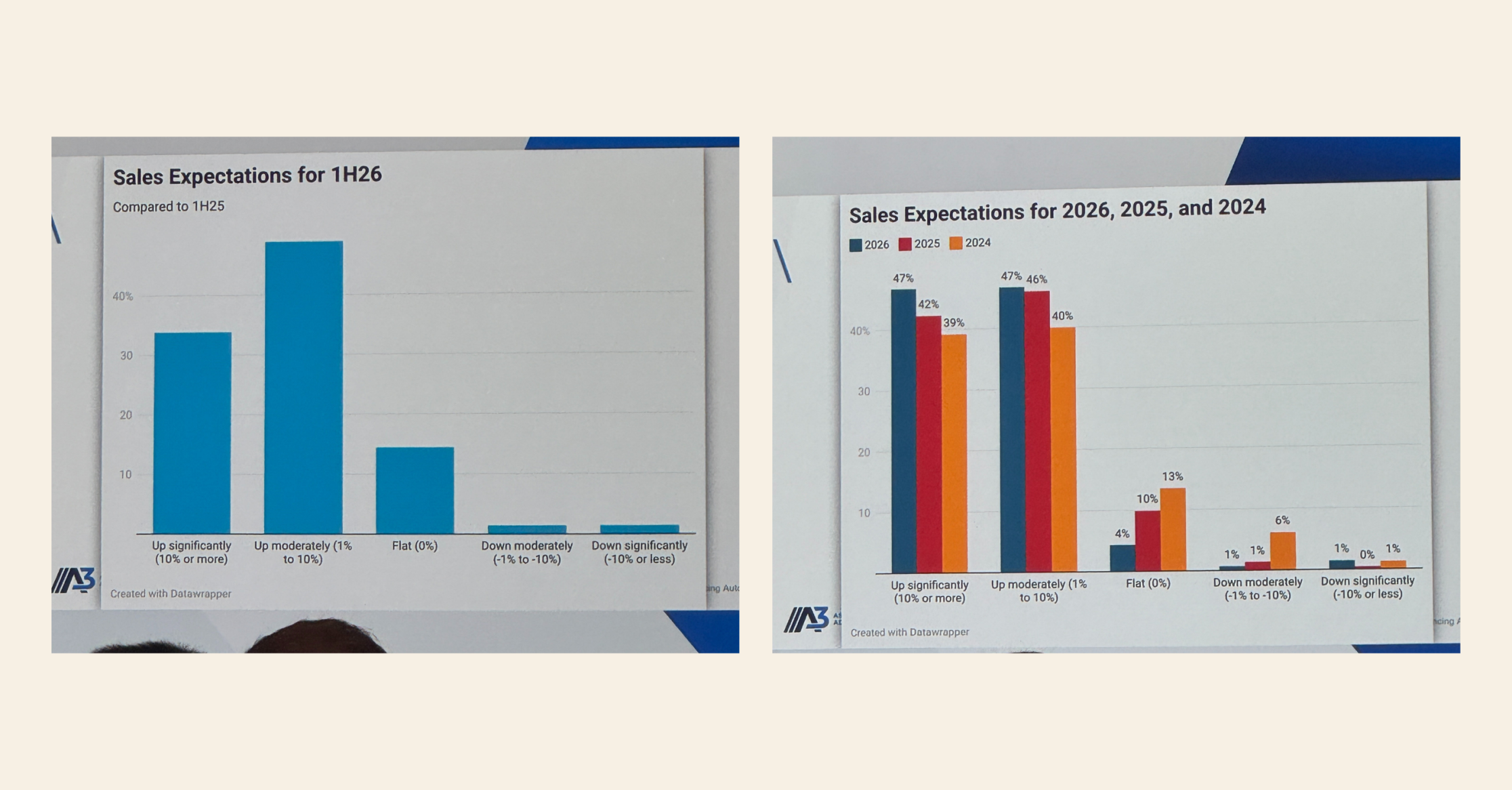
Nearly half of the executives in the room (47%) expect sales to be up significantly by 2026. After a transitional 2024, the surge is coming. But, this slide hit home for me for one reason: You cannot meet a 10% surge in sales if your engineering team is already at 100% capacity. To hit these numbers, we can’t just work harder; we have to 10x the output of the engineers we already have. And how are we doing that?
Technologies to Implement in 2026:
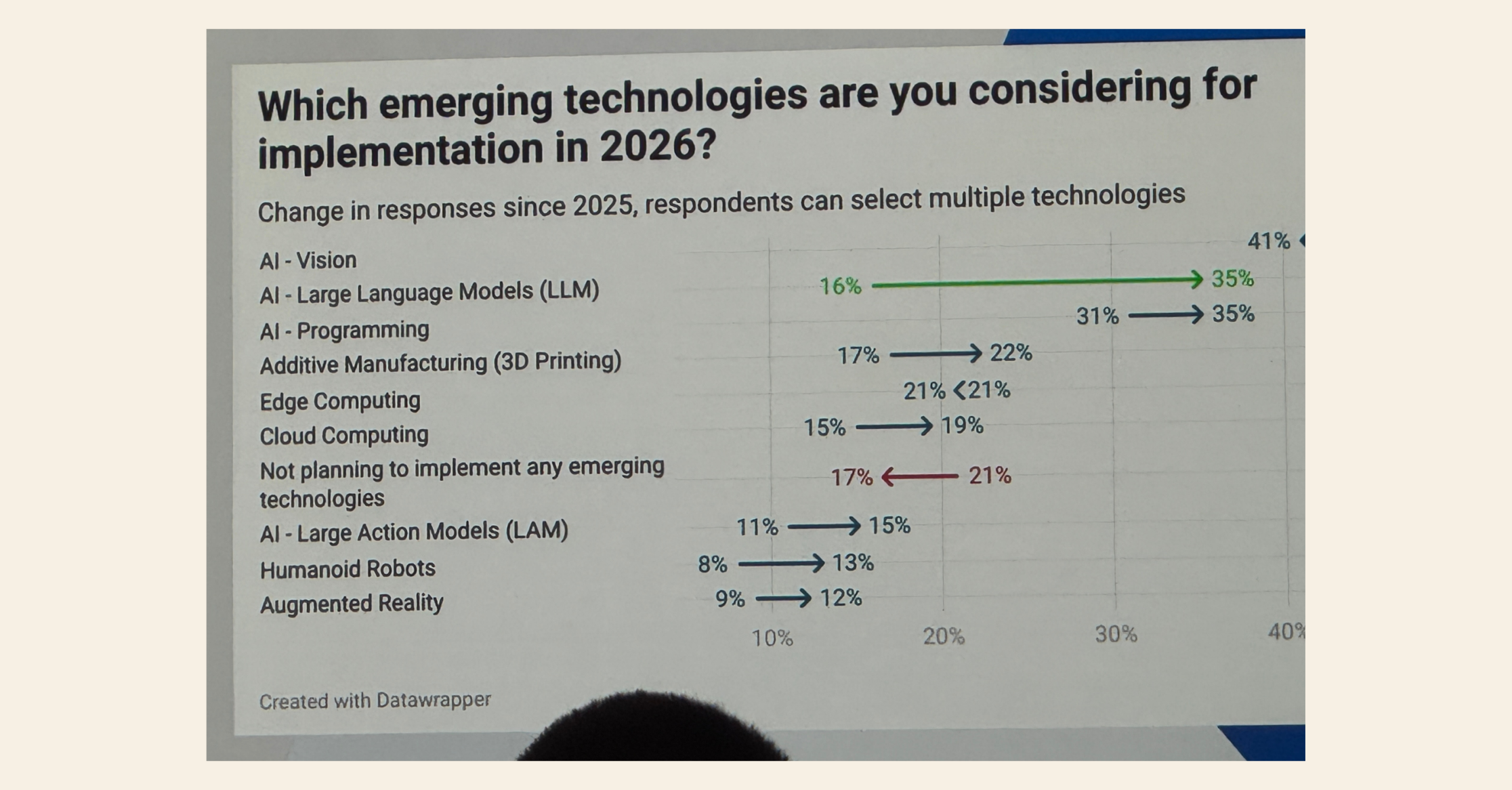
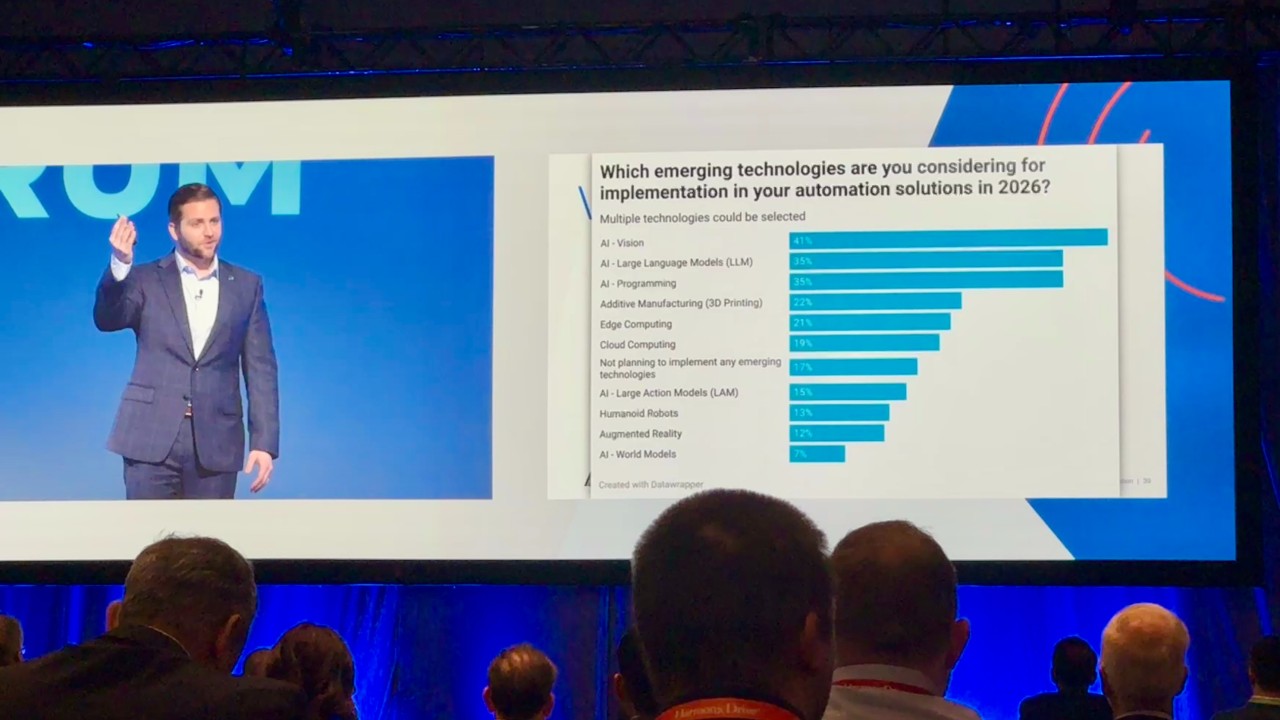
The tools that industrial automation companies are using to handle this surge are shifting beneath our feet. Last year, only 16% of companies were looking at Large Language Models (LLMs). For 2026, that has more than doubled to 35%. At Bardin, we see this as the "Cognitive Pivot." The industry has realized that automation isn't just about moving hardware; it’s about using AI to reason through the data that hardware creates.
The Drivers: Where the Growth is Coming From
Alex grounded this optimism in Deloitte’s 2026 Manufacturing Industry Outlook. This shows us exactly where the capital is flowing:
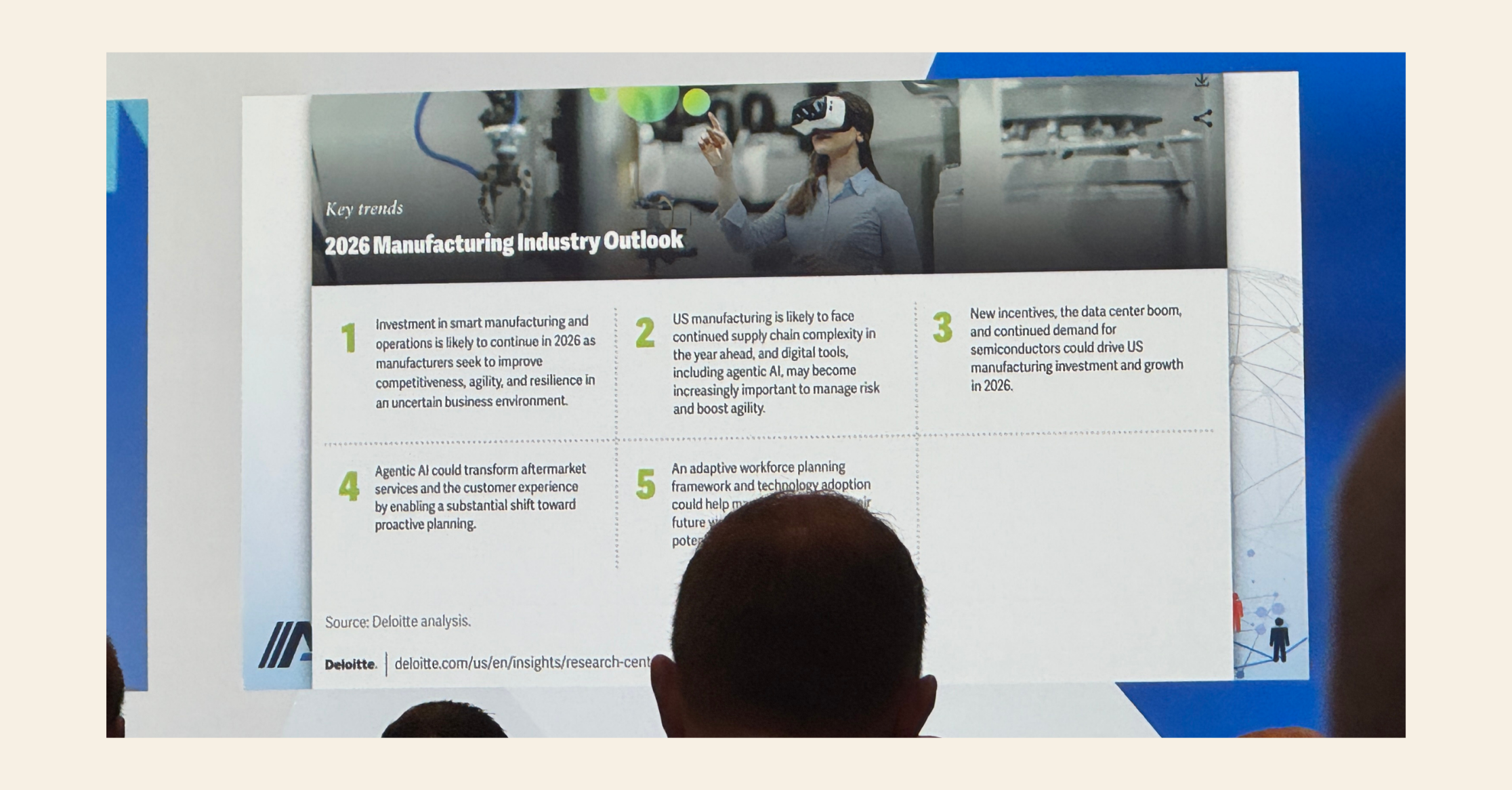
The massive push into Data Centers, Semiconductors, and Infrastructure is creating a high-stakes environment for 2026. These industries require extreme precision and leave zero room for error. As the manufacturing sector pivots toward these sophisticated, high-technology, and high-investment projects, the demand for high-accuracy, rapid application engineering becomes a requirement for survival. At Bardin, we enable teams to meet this demand by scaling their best engineering logic so they can quote and design these systems with total confidence.
Phase 2: The New Barriers to Entry
But with this growth comes a new kind of friction. For decades, the barrier to automation was primarily the “cost”, seen here by the “high initial investment”. Today, it’s increasingly becoming the “technological complexity” (only one point away).
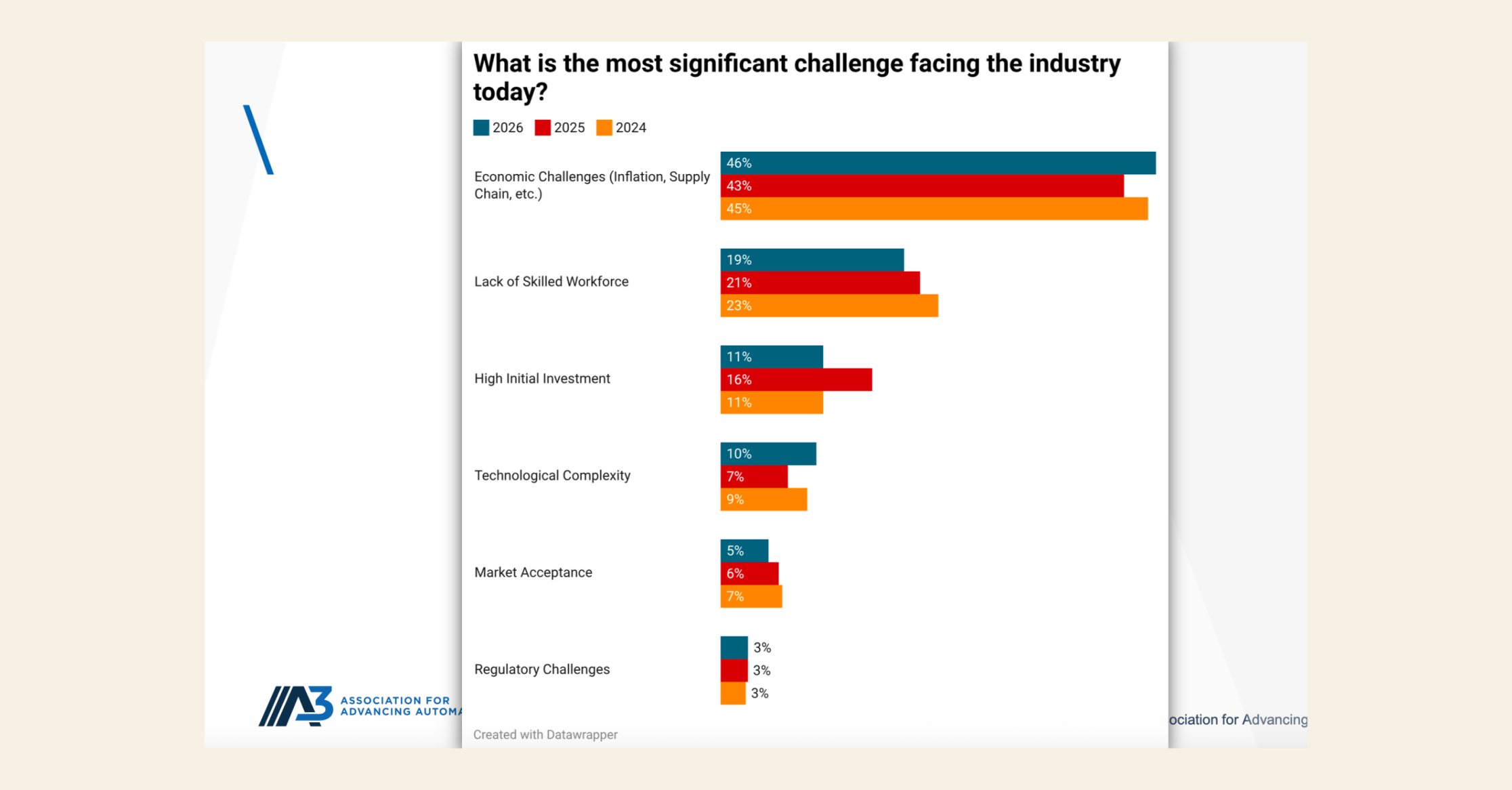
For the first time, "Technological Complexity" has surged into the top three challenges for 2026. We are building systems that are smarter, but also harder to design, harder to quote, and harder to maintain. When you pair this with a "Lack of Skilled Workforce," you get a bottleneck that no amount of capital can fix.
Where is this complexity coming from?
This complexity is most visible in General Factory Automation, which Alex noted is our highest growth sector.
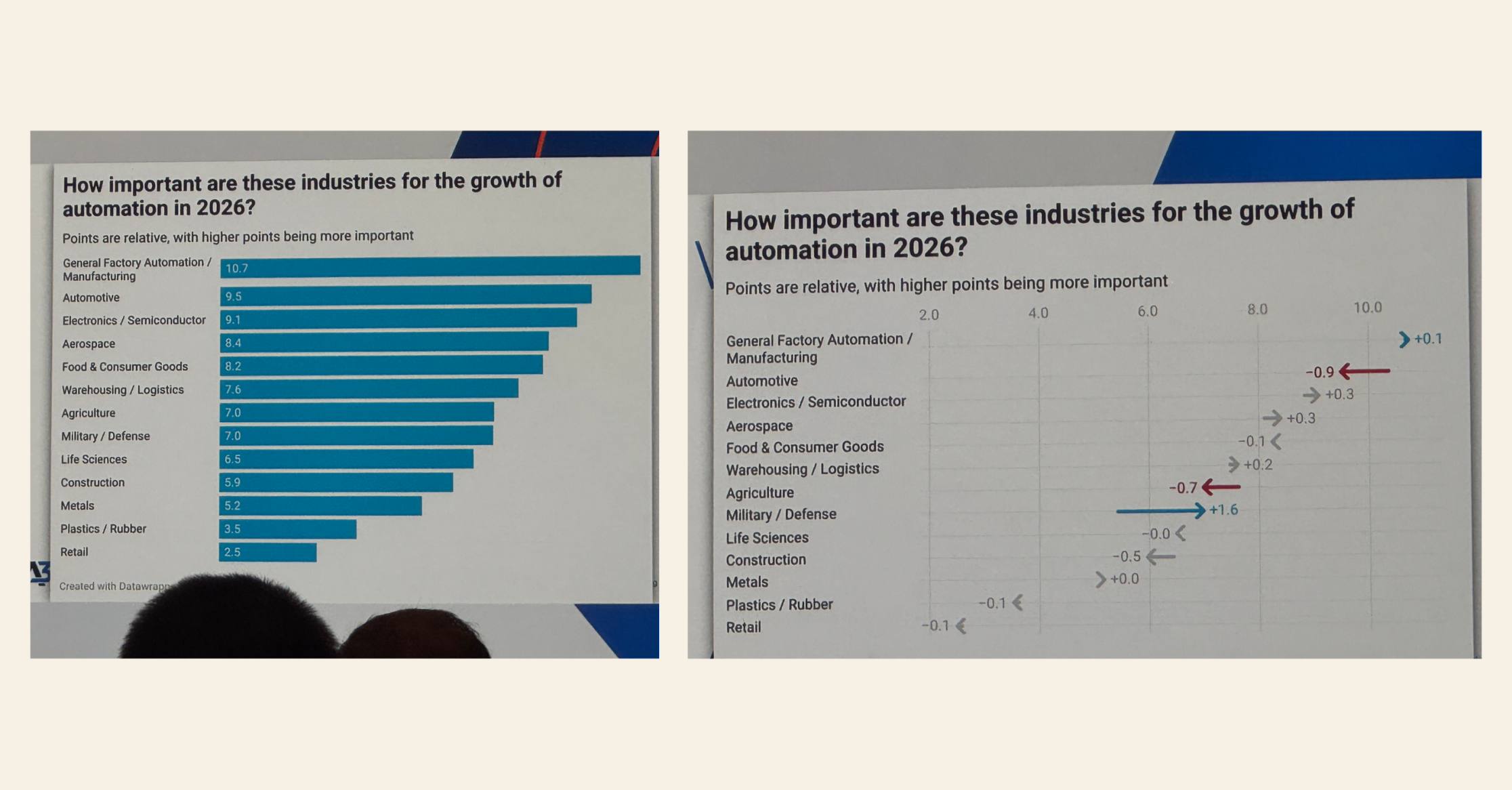
Why? Because general automation is the frontier of custom work. Every environment is unique. We care about this because as the industry moves toward more diverse applications, the "starting from zero" approach to engineering becomes an impossible way to scale.
We can dive deeper into this complexity when we look at robot order data from 2025:
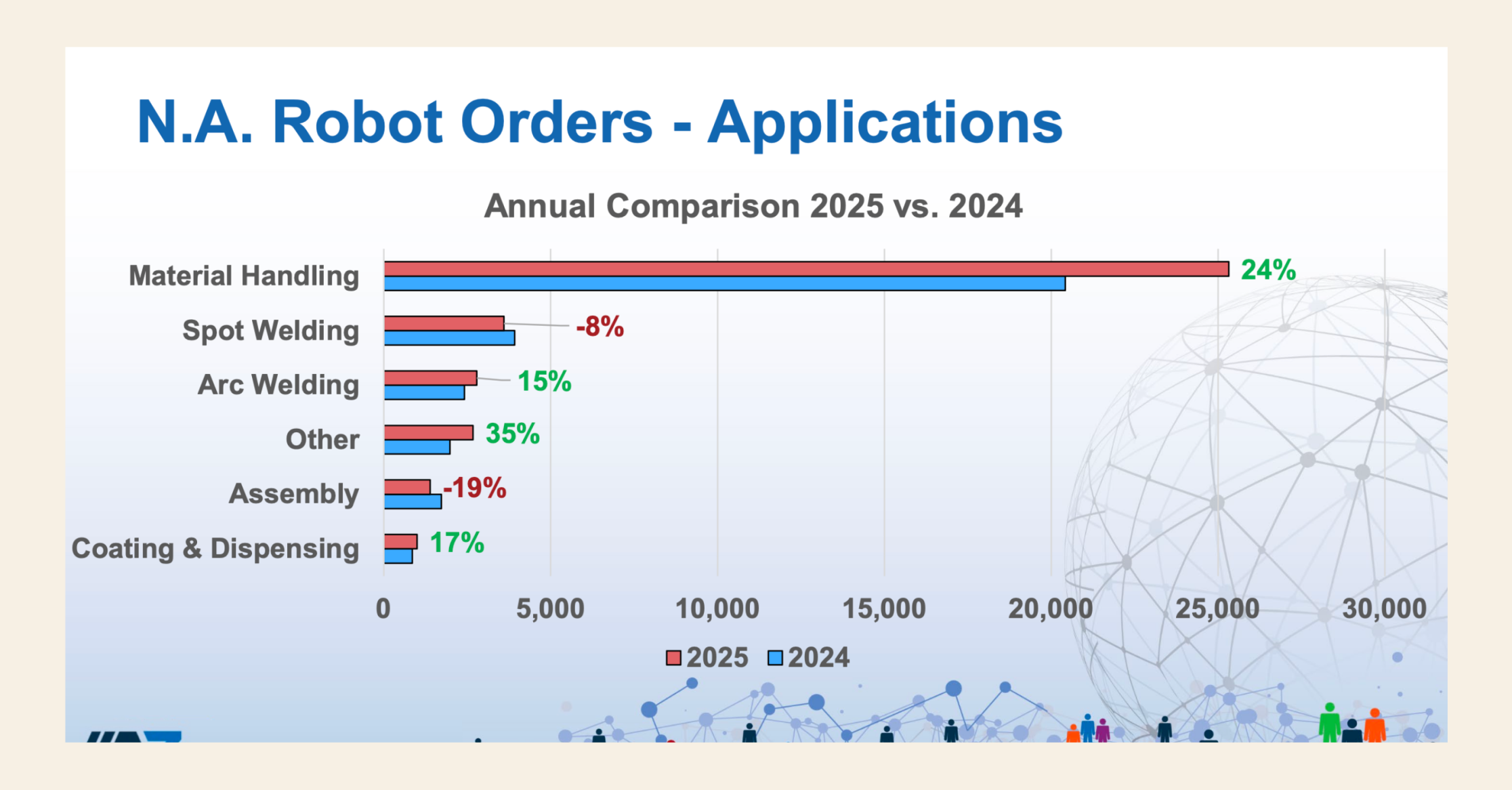
While Material Handling is the dominant application, growing by 24%, it is also is a great example of the ultimate "snowflake" category. On this nice chart, "Material Handling" is one line item. In the real world, it represents a thousand+ unique puzzles.
Why is this a barrier? Because "Company A" might be a pharmaceutical distributor picking fragile glass vials in a sterile cleanroom requiring high-precision vision, while "Company B" is an automotive foundry moving 150lb engine blocks in a hot, greasy environment. They share, what looks to the naked eye, 0% of the same engineering design logic. And because every application is perceived as a snowflake, engineers are forced to solve them from scratch every single time. This is where Bardin plays, we turn those unique manual designs into repeatable intelligence.
Complexity is not just in building full systems, but in selecting the correct automation components too.
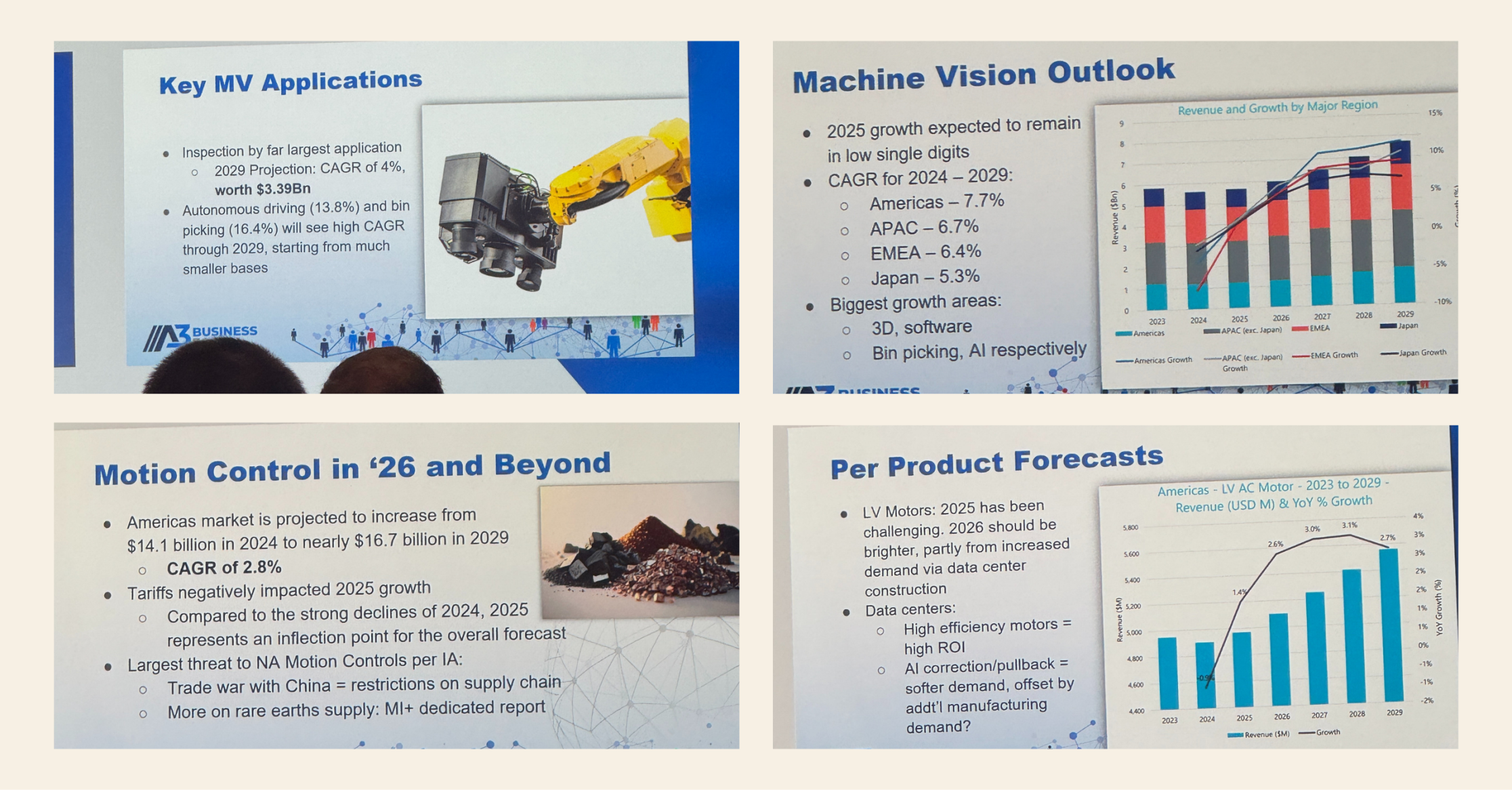
Adoption of Machine Vision (MV) and Motion Control is expanding into non-traditional industries. These are high-stakes, high-precision components. If you specify them incorrectly during the application phase, the project is dead on arrival. We care about this because Bardin ingests that component-level data, ensuring that the design logic is sound before the first part is ordered.
Phase 3: Beyond the Charts: The Executive Reality
While the A3 data from Alex provided the map, the guest speakers and keynotes provided the ground truth. As I listened, several narrative threads stood out that define the industrial application struggle we are solving at Bardin.
The forum started with Peter Sheahan, who dove deep into the psychological tension currently rocking the industrial business landscape.
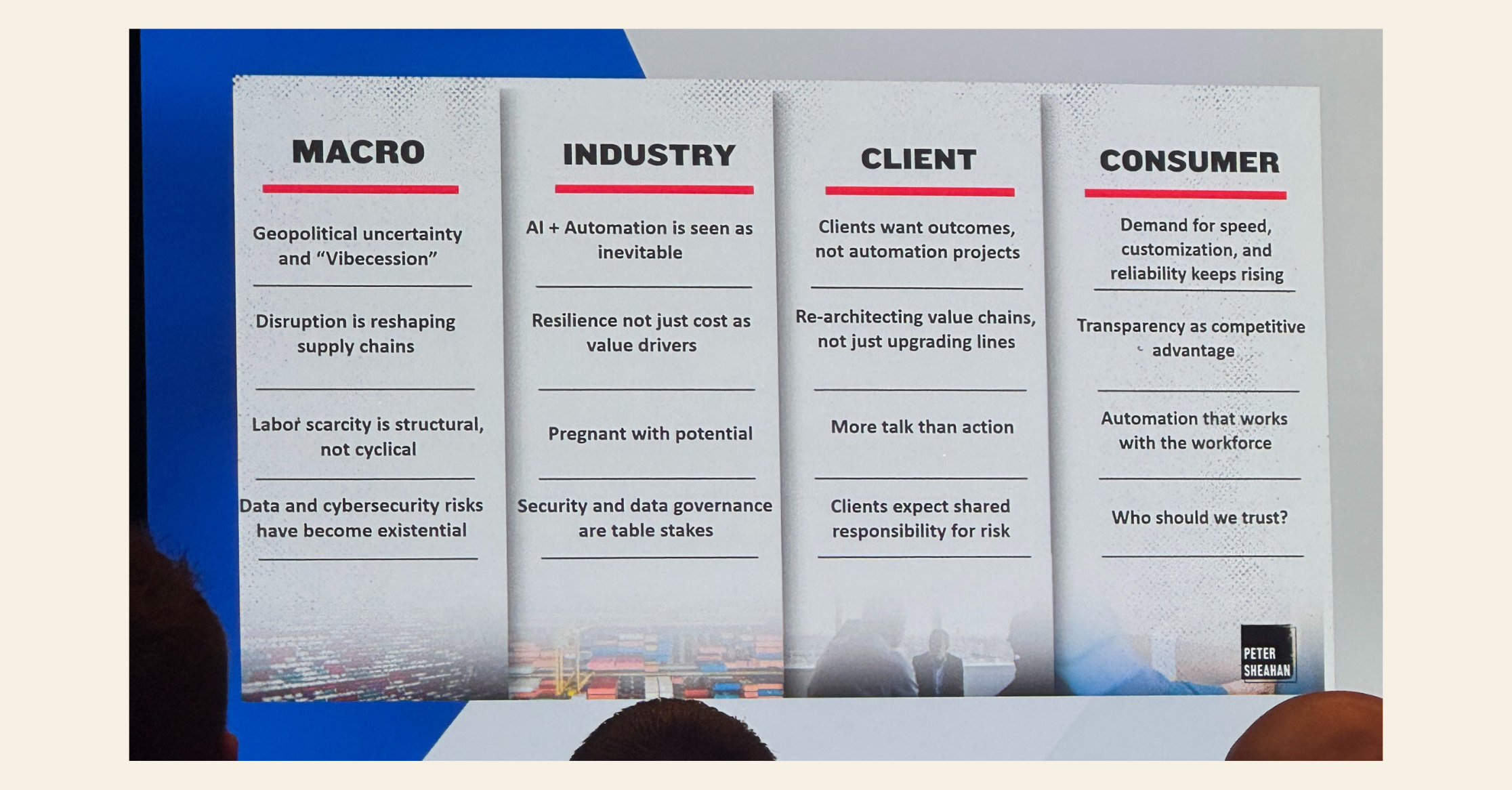
Peter noted that while industrial clients are now demanding outcomes rather than just "projects," the people responsible for delivering them are facing a very real internal crisis. In this rapid pivot toward automation, AI, and complexity, many world-class experts are terrified of being forced back to being an "amateur" in their own field. At Bardin, this resonates deeply. We believe the goal of AI shouldn't be to make sales and application engineers feel obsolete, but to augment their expertise, keeping them in the "pro" seat even as the technology moves beneath them.
However, this "fear of the amateur" is compounded by a simple, cold reality: even if we wanted to hire a new army of experts to manage the transition, they don't exist. Brian Beaulieu from ITR Economics didn't pull any punches on this front. He stood in front of 600 executives and told us what we already feared: There is no latent pool of talent to draw from.
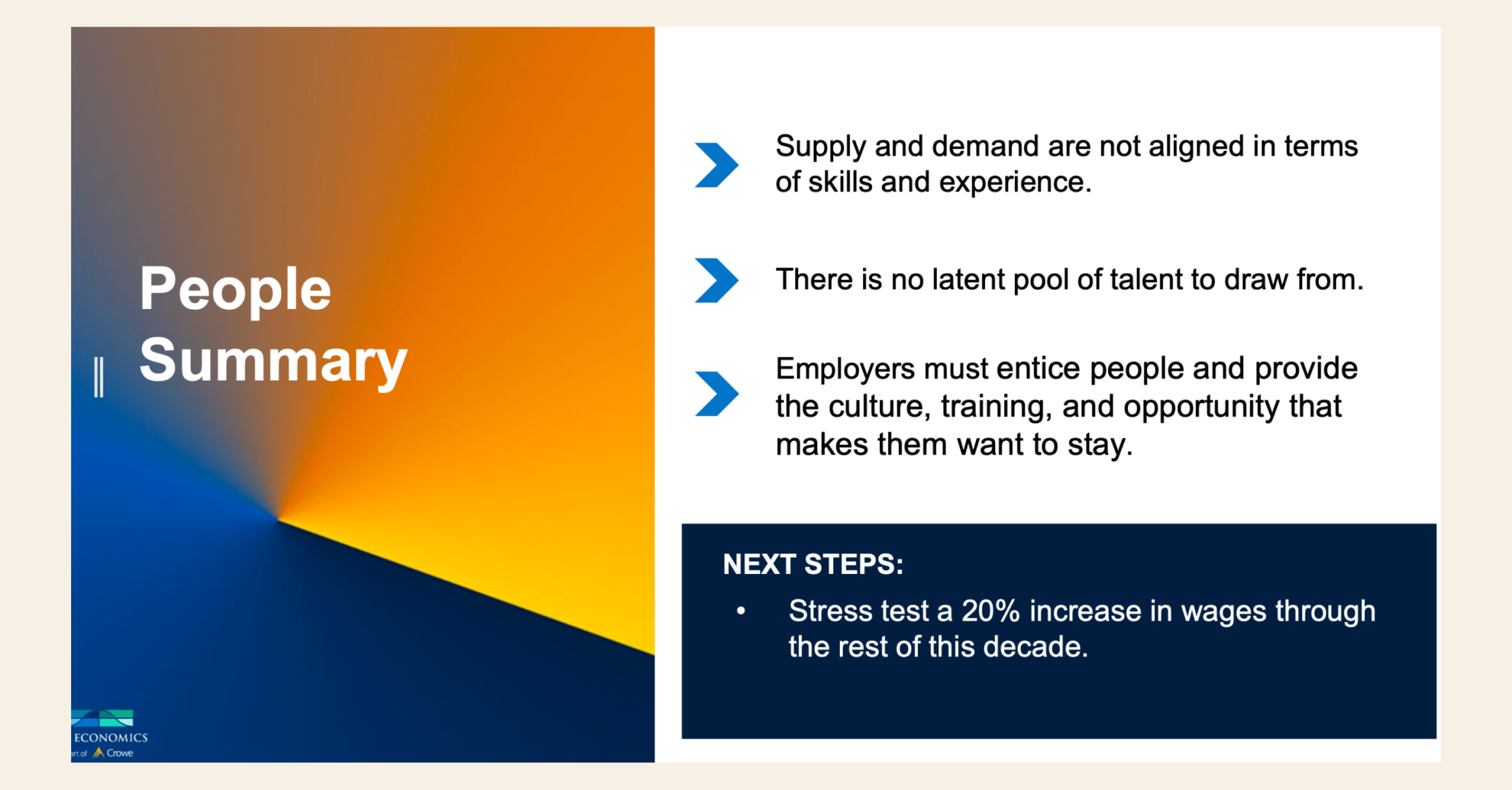
Brian’s warning was clear: if you can't find more people, you have to supercharge the ones you have. The "meet sales expectations by hiring" strategy we saw in the earlier charts simply won’t be enough.
To survive a decade where Brian suggests stress-testing 20% wage increases, you must turn your existing team into a force multiplier. At Bardin, we see this as the primary reason to augment existing engineering logic: it is the only way to scale without a massive (and unavailable) increase in headcount.
Even as we turn to technology to solve the labor gap, we have to stay grounded in the reality of the shop floor. Leaders like Michael Cicco of FANUC America Corporation warned against the lure of "AI Purgatory" and overly complex solutions. His point was sharp: "We can’t afford to have a PhD from Stanford constantly debugging on the factory floor."
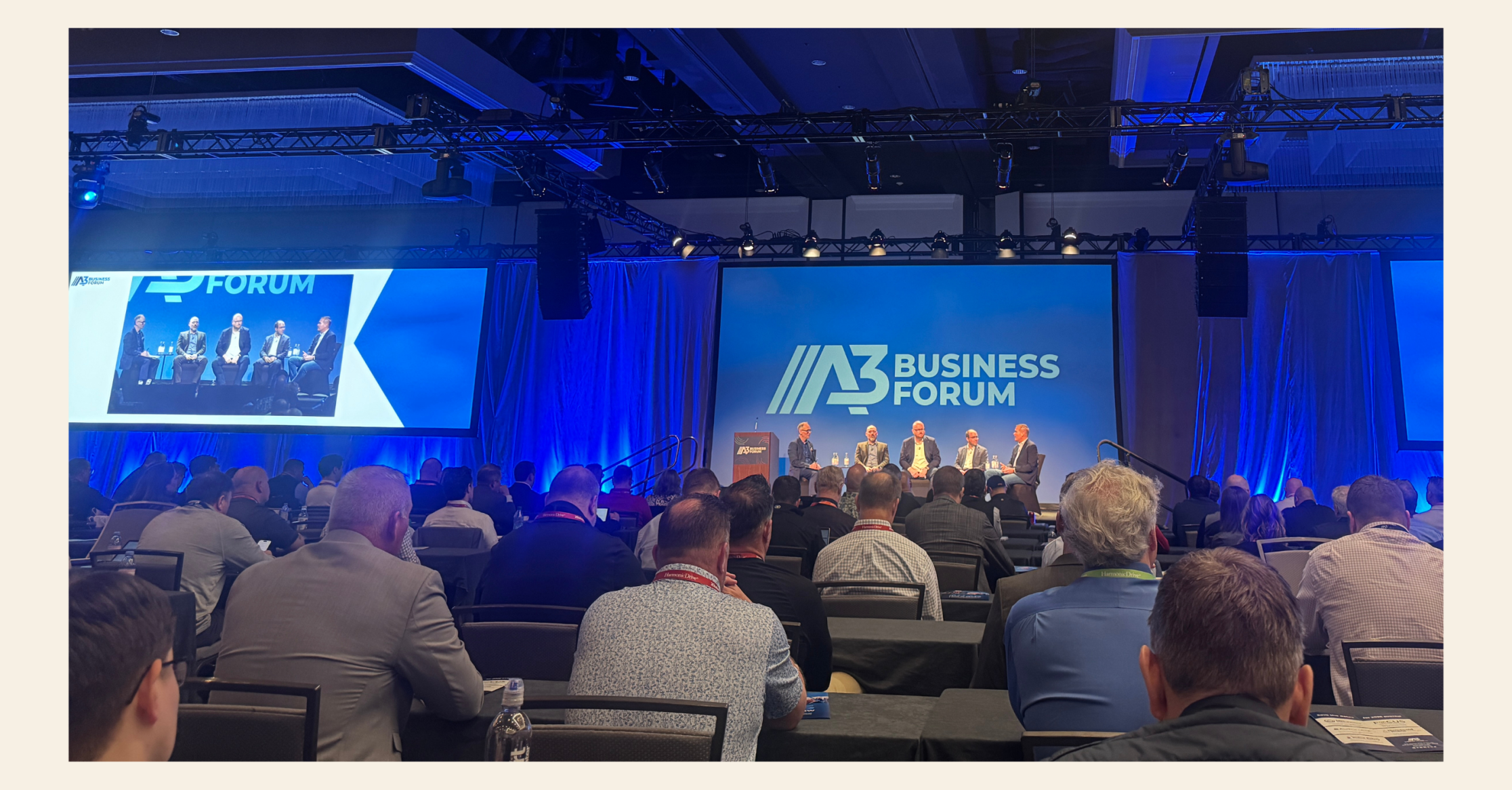
If the people touching the robots don't know how to effectively implement or apply them (aka, the job of an application engineer), the system becomes a liability. We need to democratize that complex intelligence so it works for the people actually selling, implementing, and running the line.
This brought us to the most fundamental truth of the week, delivered by Mikell Taylor from General Motors. She shared a story about how her son can build an actually moving Lego robot set, but reminded the room that building a toy doesn't make someone an automation engineer.
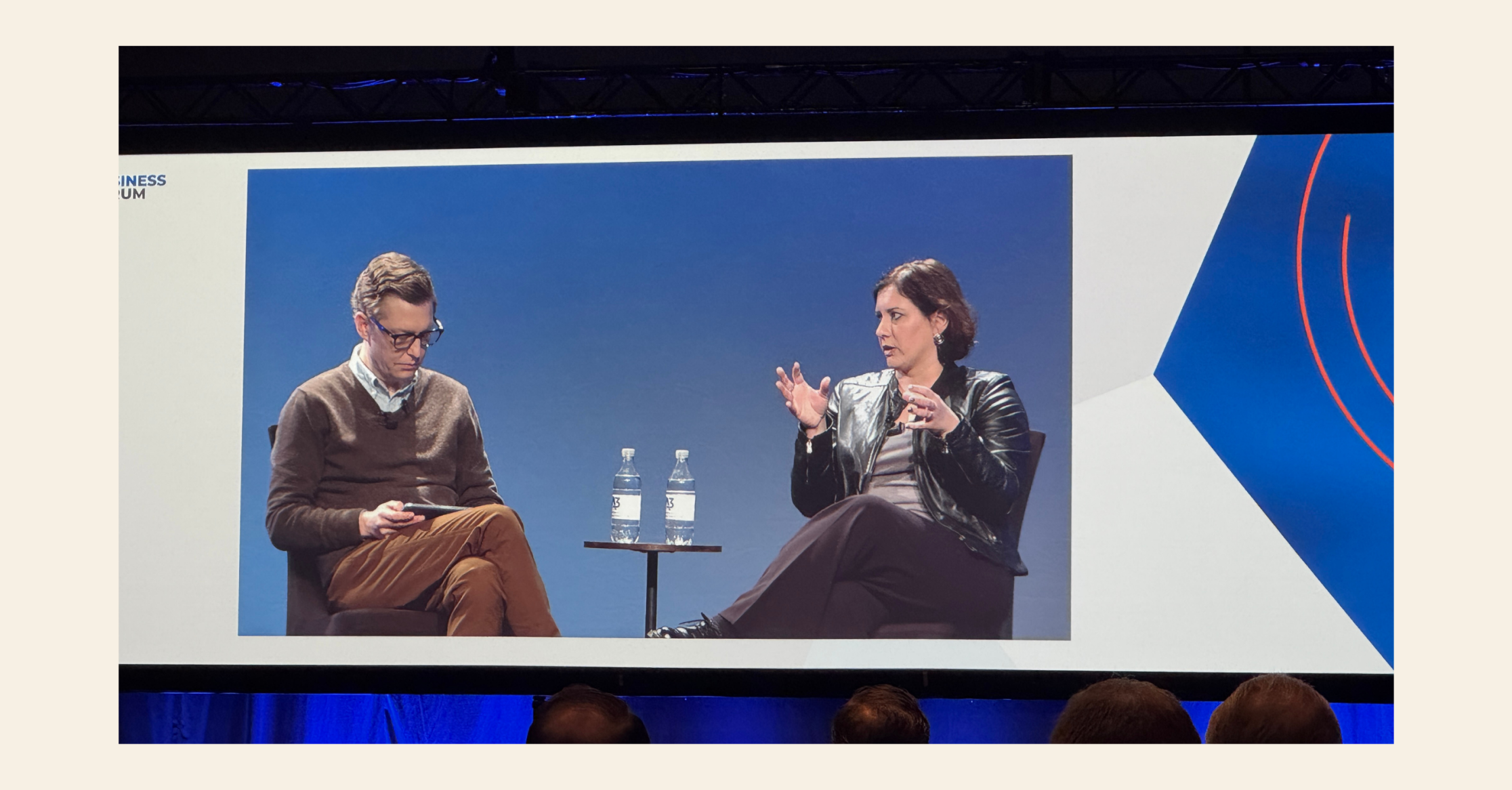
"Robots will stay robots." This line perfectly summarizes the Bardin philosophy. The hardware is a commodity; the application is the moat. The "hard part" is the connective tissue, the application engineering, and that is exactly what we are here to support.
So, how do manufacturers successfully implement these automation solutions without losing the human element? Brittany Kodack’s "Superfans" presentation put it quite succinctly:
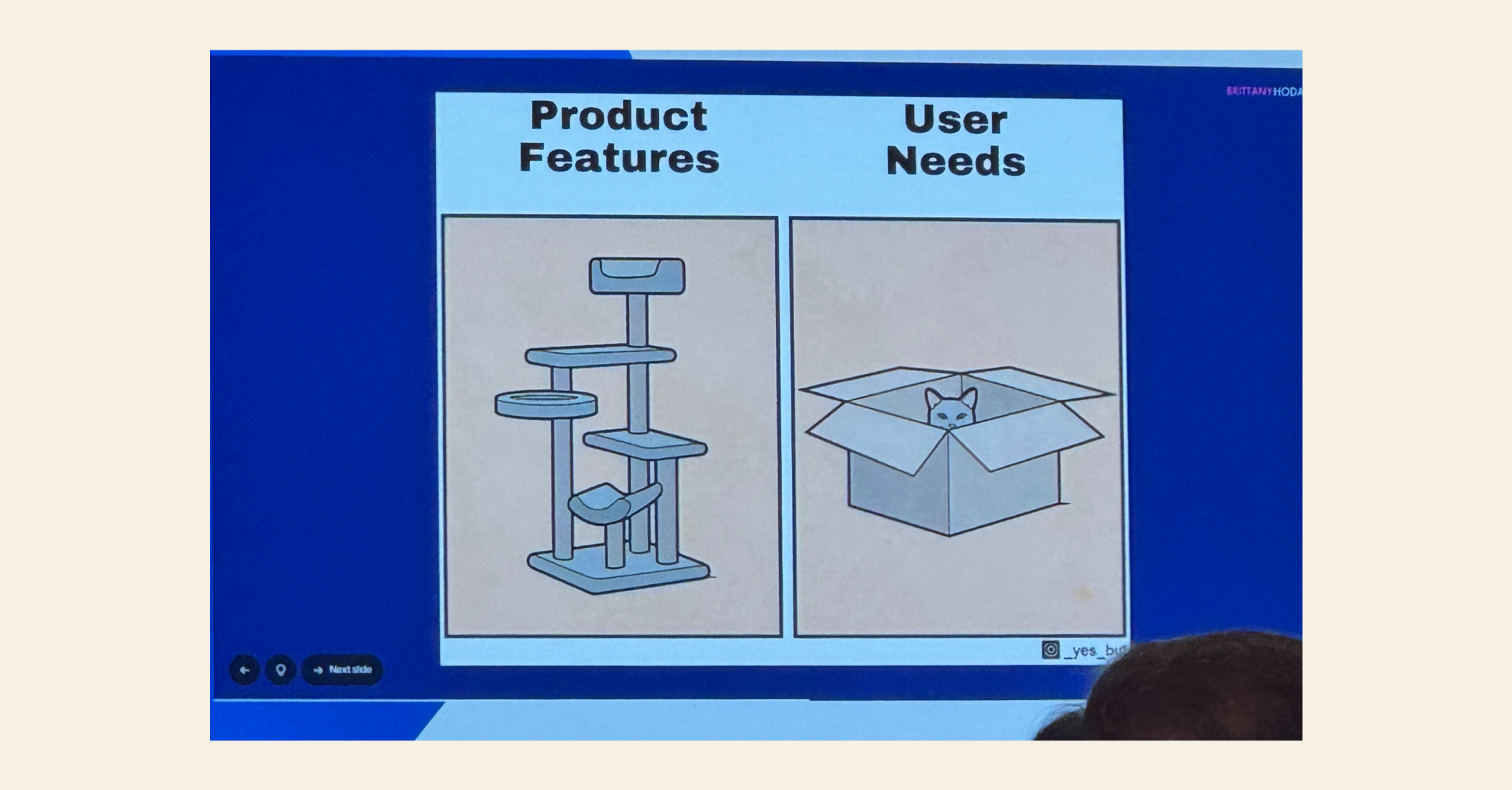
She reminded us that if we want to get to where the customer wants to go first, we have to stop obsessing over product features and start obsessing over their outcomes. This is exactly what a great application engineer does: they translate a list of features into a working result.
This outcome-based approach requires what Paul Stephens from Ford Motor Company called “People-First Piloting.”
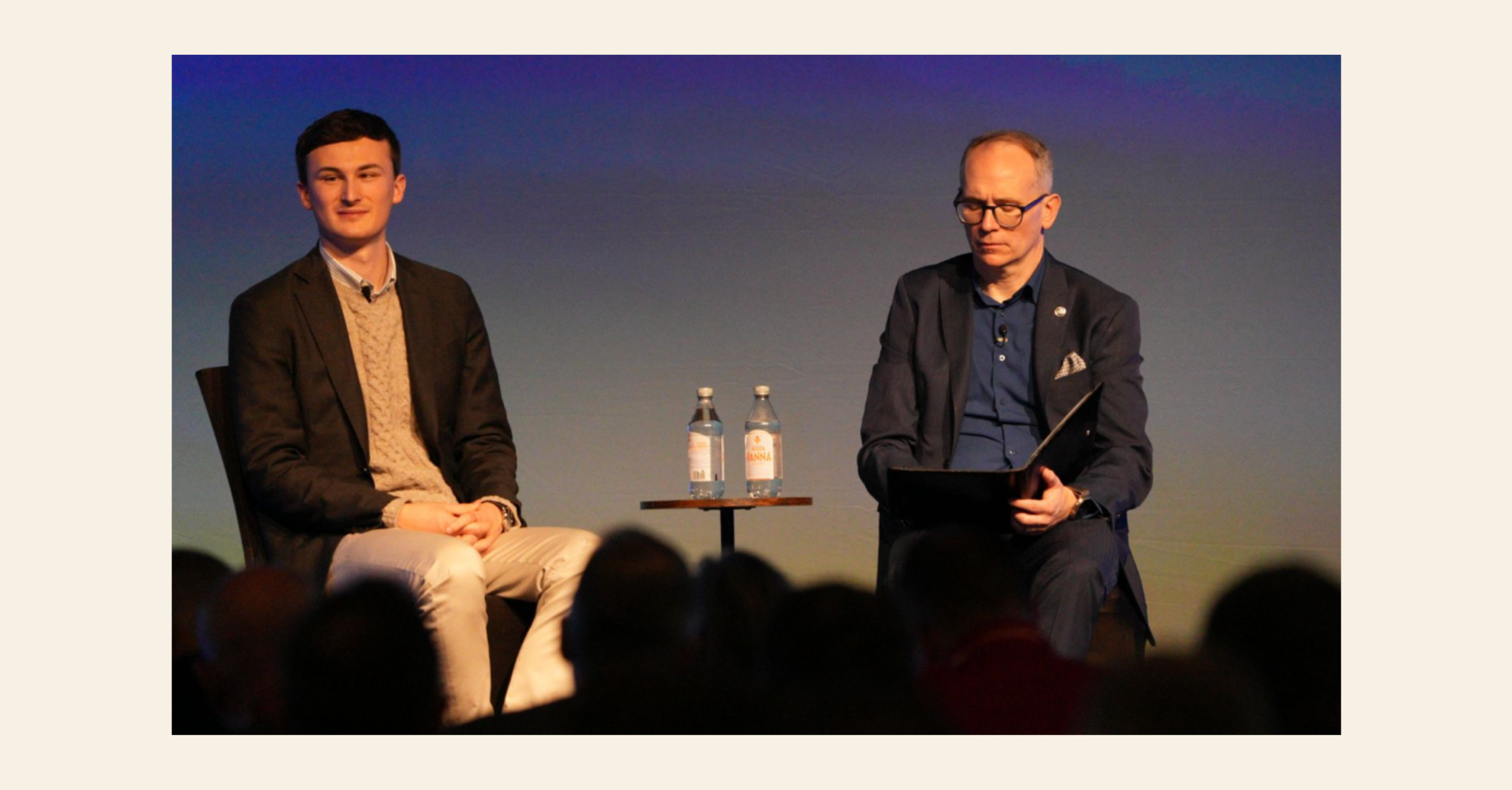
He shared a vital lesson: people are part of the solution, not a recipient of it. By lowering the barriers and involving the team on the floor in the logic of the automation, we build systems, both automation solutions and AI implementations, that actually stay running.
The Blueprint for Success
The opening slide of the forum stated that 95% of U.S. manufacturers plan to automate, and the how came later 58% see that robots and autonomous systems will be instrumental in that effort, and 86% of employers see AI as the trend driving that transformation.
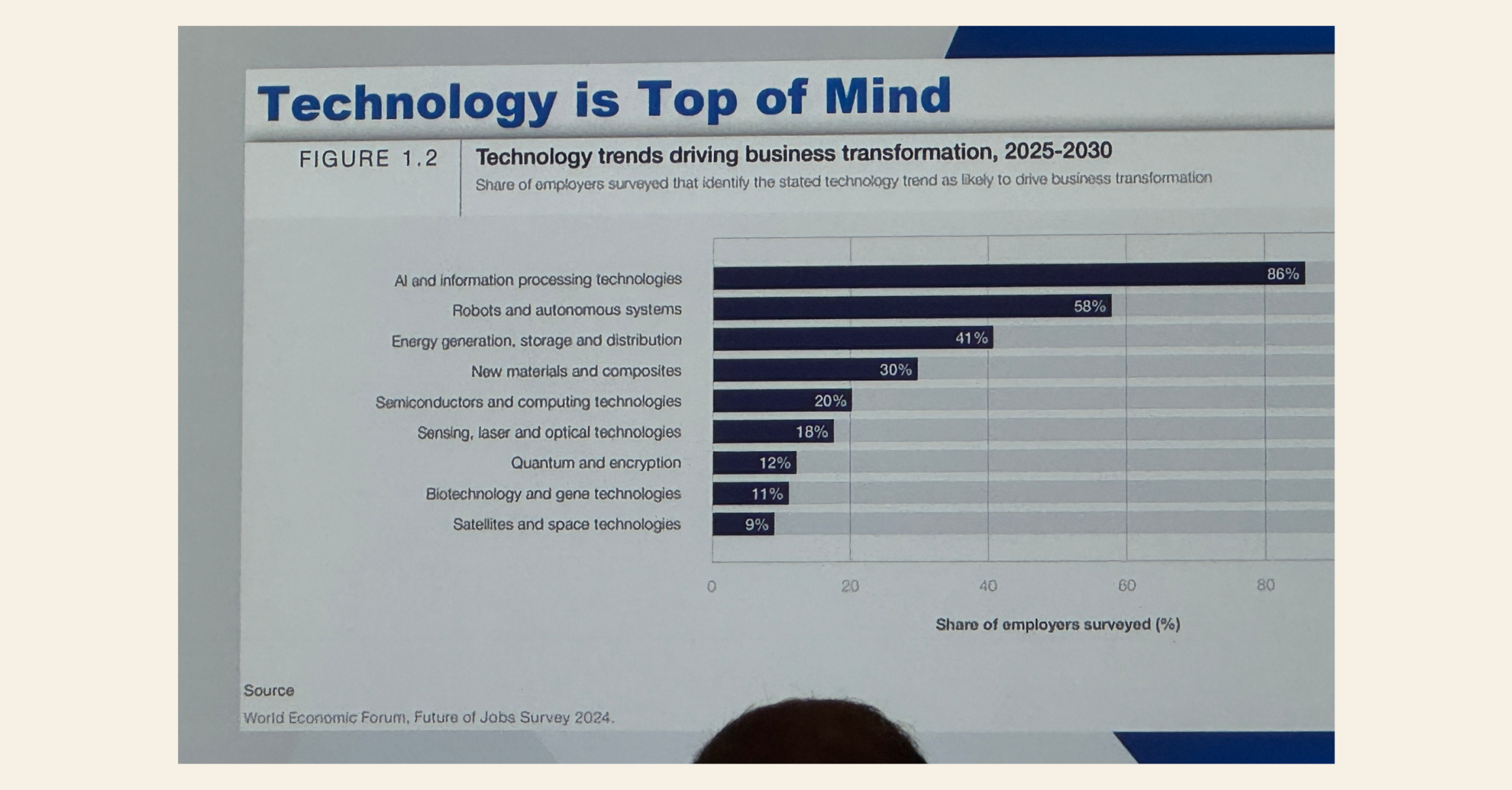
But success won't come from just buying more robots; it will come from empowering the people who implement them. The industry's efforts in this space are already visible in the data shared by Anoop Sinha and Renelito Delos Santos from Google.
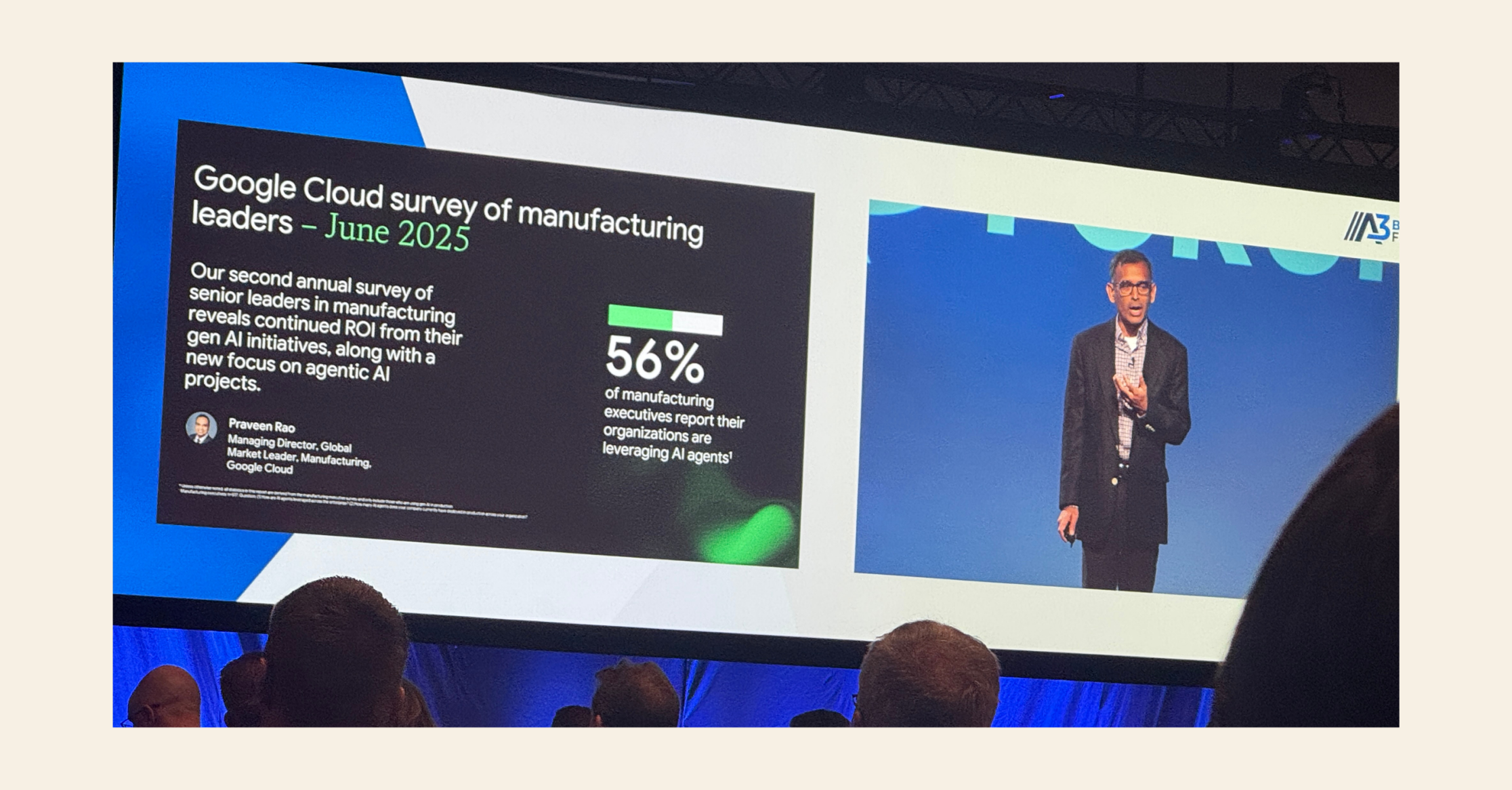
56% of manufacturers are leveraging Gen AI. The momentum is real, but it’s pushing the industry toward a fork in the road. Many enterprises are trying to build their own internal AI agents. My prediction? We’re about to see a sharp pivot back to buy.
Because just as a robot is useless without application engineering, AI agents that aren’t grounded in real factory logic will gather dust on a digital shelf. If the AI doesn’t understand the nuance of the customer need or the history of your designs, it won’t be used.
As companies realize how difficult it is to manage, update, and ground these agents in real-world engineering logic, they’ll turn to purpose-built solutions. This is especially true for the 85% of U.S. manufacturers that are midsize businesses, who can’t afford to become AI developers on the side.
I believe manufacturers will refocus on building world-class products and systems—and hand the operational intelligence back to partners who specialize in the intelligence layer.
At Bardin, we believe the only way to meet the 2026 surge is to stop solving the same problems from scratch. We’re building the system of record for how industrial systems are designed.
2026 is coming. The hardware is ready.
Is your team’s intelligence ready to move it?
Bardin turns decades of expertise into an always-on technical sales and industrial application engineer.
Bardin's AI tools and agents scale engineering judgment, helping industrial sales and application engineering teams scope, sell, and support complex industrial solutions today while building the knowledge infrastructure to power the future of industrial commerce.
.png)